Must-Read Disability Access Guide for Commercial Properties
May 14, 2025
Imagine arriving at business only to find a step you can’t climb or a restroom that doesn’t accommodate your needs.…
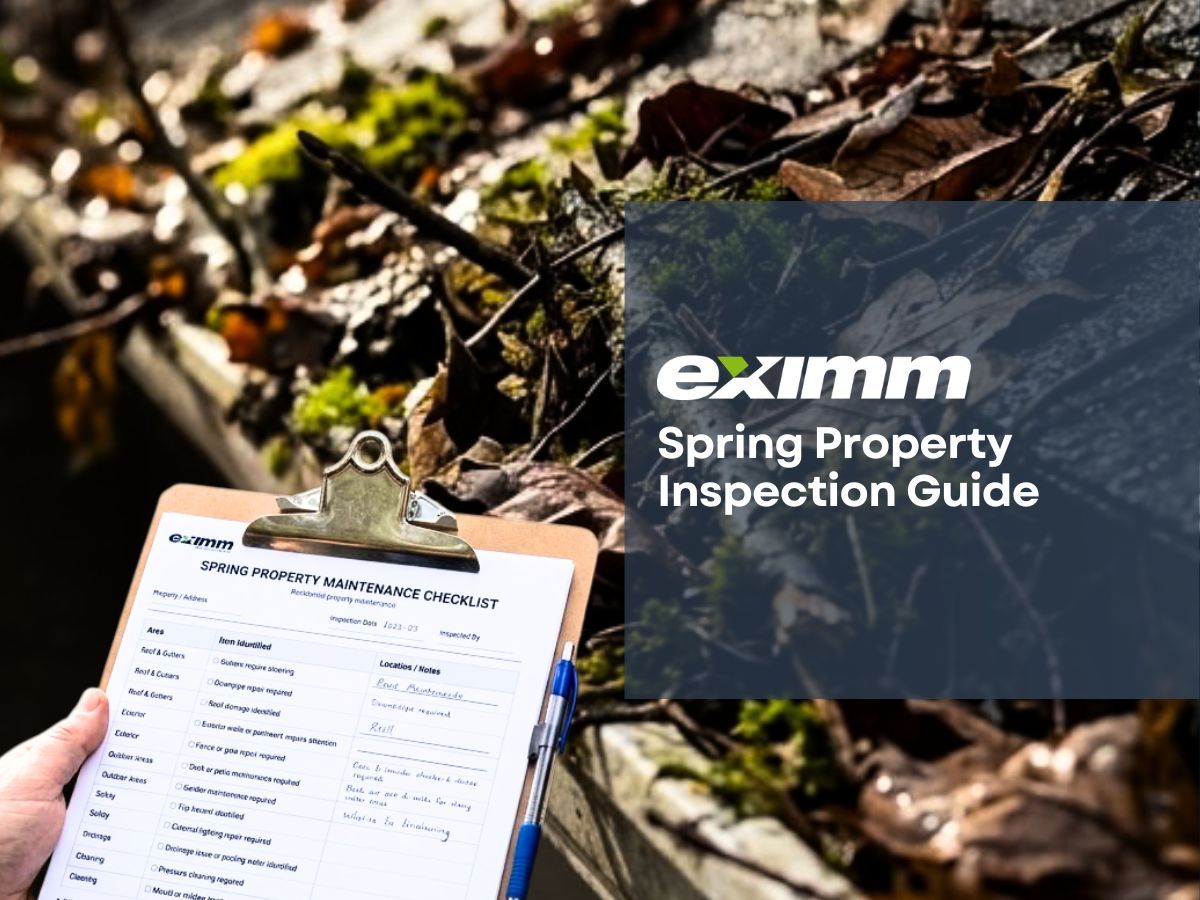
Spring is the ideal time to assess your property’s condition after winter and address maintenance issues before they become larger, more expensive repairs. Whether you’re a homeowner preparing for the warmer months or a property manager responsible for maintaining common areas, tenant satisfaction and asset presentation, a proactive approach to property maintenance can help reduce future costs and minimise unexpected repairs.
Many property owners only discover maintenance problems once damage becomes visible. The leaking gutter isn’t noticed until water stains appear inside. The loose fence post isn’t addressed until strong winds cause it to fail. The drainage issue isn’t identified until water begins pooling near buildings or pathways.
Spring offers a valuable opportunity to inspect your property, identify potential risks early and create a clear plan of action before minor issues develop into major repair costs.
In this guide, we’ll explore the key maintenance areas worth reviewing this spring, common problems that are frequently overlooked and practical ways to identify issues before they become expensive repairs.
While many maintenance tasks apply to all properties, some priorities differ depending on the type of property you own or manage. Select the option below to view maintenance considerations relevant to your property type.

Spring is the perfect time for homeowners to inspect areas that may have been affected by winter weather and prepare for the warmer months ahead. Regular inspections can help identify small issues before they develop into expensive repairs and assist in maintaining your property’s value and appearance.
Key areas to inspect include:

Not all maintenance concerns are obvious at first glance. A more detailed inspection can help identify hidden issues, prioritise repairs and support the ongoing condition, safety and presentation of your property.
Water-related damage is one of the most common maintenance issues and is often preventable through earlier inspection and maintenance.
Throughout winter, gutters collect leaves, dirt, and organic debris. Downpipes can become partially blocked. Roof flashings may loosen. Small defects that seem insignificant during dry weather can quickly become larger problems once heavy rainfall occurs.
Many homeowners only become aware of an issue when they notice:
The challenge is that these symptoms often appear long after the underlying issue has begun.
Rather than waiting for visible damage, routine inspection of rooflines, gutters and drainage systems can help identify issues before they worsen.
For Queensland property owners, this is particularly important before storm season arrives.
Not all drainage problems involve overflowing gutters.
Many properties experience poor surface drainage that gradually causes damage over time. Water may collect in garden beds, against retaining walls, near foundations or across pathways without immediately attracting attention.
When conducting a spring property inspection, look for:
Left unresolved, drainage issues can contribute to structural concerns, landscape damage, and ongoing maintenance costs.
Addressing drainage issues early is far more economical than repairing the damage they can cause over time.
A property’s exterior should also form part of any maintenance inspection.
After months of exposure to winter weather, many external elements begin showing signs of wear and tear. While these issues may appear minor, they typically worsen if left unattended.
Area’s worth inspecting include:
A common mistake many homeowners make is postponing small repairs because they don’t appear urgent.
A fence panel that’s slightly lose today may require a complete replacement after the next major storm. A small section of deteriorating paint may result in much more extensive preparation and repair work later.
Preventative maintenance helps minimise these escalating costs.
Pressure cleaning is often associated with improving presentation, but it can also play a key role in identifying maintenance concerns.
During winter, dirt, mould, algae, and grime accumulate on external surfaces. This build-up can conceal cracks, trip hazards, deteriorating surfaces, and drainage problems.
Areas that commonly benefit from spring pressure cleaning include:
Pressure cleaning can be a useful starting point for a broader property inspection, helping homeowners uncover issues that may otherwise remain hidden beneath built-up dirt, mould and grime.
The Growing Handyman List Problem
Most homeowners have one. A running list of small repairs that never quite gets completed. It often starts with a minor repair:
Then additional items gradually get added.
Before long, the list includes numerous handyman jobs, maintenance tasks, and repair requirements. Individually, these jobs may seem too small to address immediately. Together, however, they represent a significant maintenance backlog. Reviewing these outstanding items can help prevent a growing maintenance backlog.
Ready to Turn Your Inspection into an Action Plan?
Spring property inspections often uncover more maintenance items than expected. Whether you’ve identified one repair or an entire list of handyman and maintenance works, now is the ideal time to address them before they become larger and more expensive problems.
Send us your maintenance list and we’ll help review the requirements and coordinate the appropriate works.

Commercial Property Maintenance Considerations for Spring & Inspection Guide
For commercial properties, body corporates and managed facilities, spring is an opportunity to review presentation, safety, accessibility and preventative maintenance requirements before peak activity periods.
Common areas to review include:

From common areas to access routes and shared facilities, managed properties have many moving parts. A structured property review can help bring maintenance priorities into focus and support more efficient planning.
Common Area Maintenance
Shared spaces are often the most frequently used areas within managed properties. Heavy daily use, combined with gradual deterioration, means maintenance issues can develop unnoticed until they begin affecting safety, presentation or occupant satisfaction.
A seasonal property review should include:
Addressing minor issues early can help improve presentation, maintain safety, and prevent more costly repairs throughout the year.
Safety Hazards and Risk Reduction
One of the most valuable outcomes of a property inspection is identifying potential safety concerns.
Many hazards develop gradually and may not seem significant initially.
Examples include:
While these issues may seem minor at first, they can affect the safety, accessibility and presentation of a property if left unaddressed.
Spring inspections provide an opportunity to identify these issues early and prioritise any maintenance works before they become more significant concerns.
Pressure Cleaning and Asset Presentation
First impressions matter.
Residents, tenants, visitors, and prospective occupants all form opinions based on the condition of communal spaces and building exteriors.
After winter, many properties experience a noticeable build-up of dirt, algae, mould, and staining.
Pressure cleaning can help restore:
While often viewed as aesthetic maintenance, these works can also improve visibility, reduce slip hazards, and contribute to overall property presentation.
Compliance Considerations
Seasonal reviews provide a practical opportunity to identify maintenance concerns that may affect compliance obligations.
Depending on property type, this may include reviewing:
Early identification allows maintenance works to be planned and prioritised rather than being handled reactively.
One Inspection Often Creates a Multi-Trade Maintenance List
A common challenge for property managers is that a single inspection often uncovers numerous issues requiring different trades and service providers.
A spring property review may identify:
Managing these independently can become time-consuming and inefficient.
A consolidated maintenance list provides a clear overview of priorities while simplifying coordination and planning.
Managing maintenance across a commercial property, body corporate or portfolio can quickly become challenging when multiple issues require attention at the same time. Consolidating inspection findings, repairs and maintenance requirements into a single maintenance list can help streamline planning, clarify priorities and improve coordination of works.
Have a maintenance list, inspection report or outstanding works schedule? Submit it to our team and we’ll review the requirements and help coordinate the necessary work.
Completed Your Property Inspection?
Use our free Spring Property Maintenance Checklist to record maintenance concerns, prioritise repairs and create an action plan.
Once completed, send your checklist to Eximm for review. Our team can help assess your priorities and recommend practical maintenance solutions for your property.
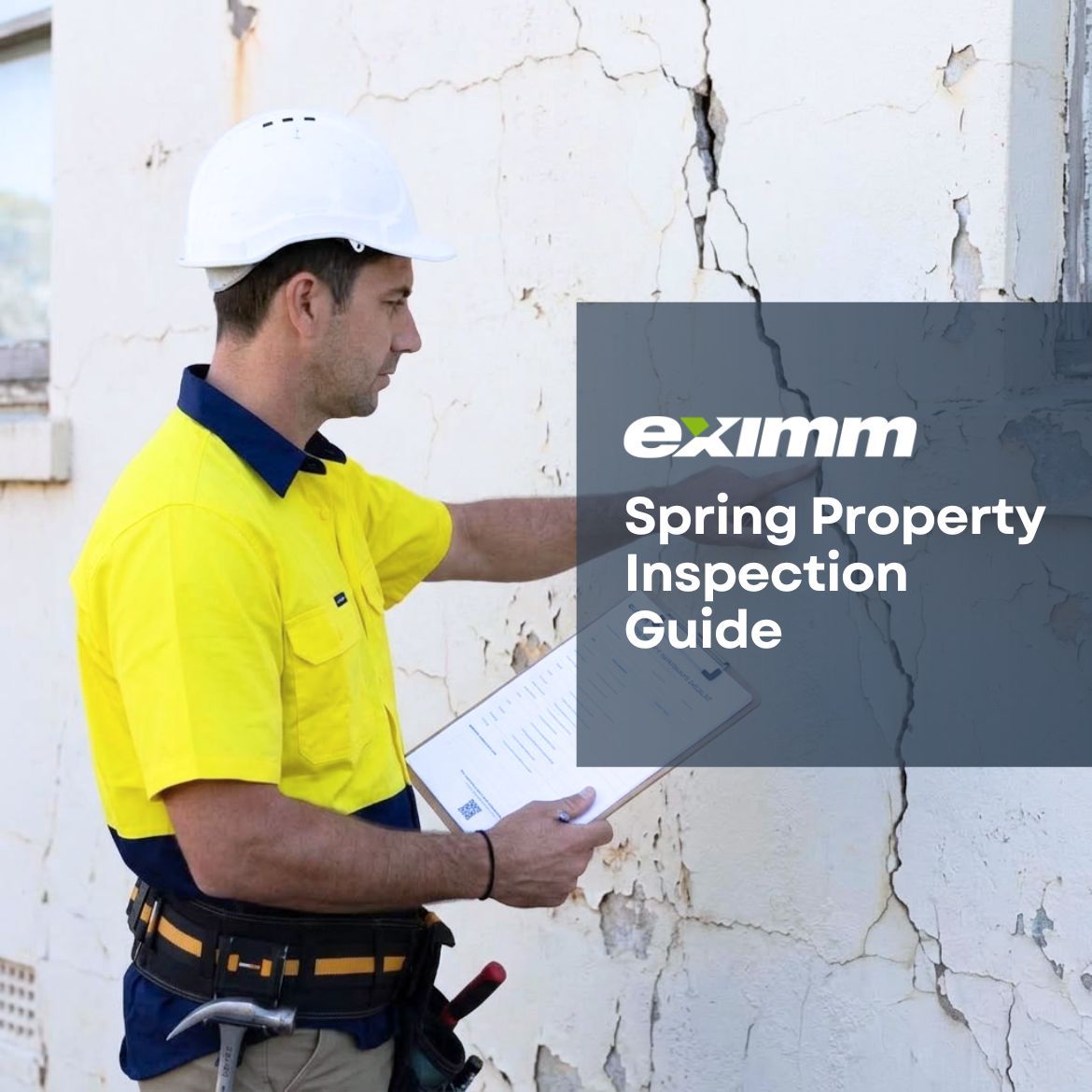
If you already have maintenance concerns, upcoming projects or outstanding repairs you’d like addressed, our team can help. Whether you’re maintaining a residential property, investment property, commercial premises or managed property portfolio, we can discuss your requirements and recommend suitable maintenance solutions.
Contact Eximm today to discuss your upcoming maintenance requirements.
Well-maintained properties don’t happen by chance. They happen through proactive planning and action.
Find out more about Eximm and the Facility Services we offer.
Check out our Blog Articles to make an informed decision on your investment.