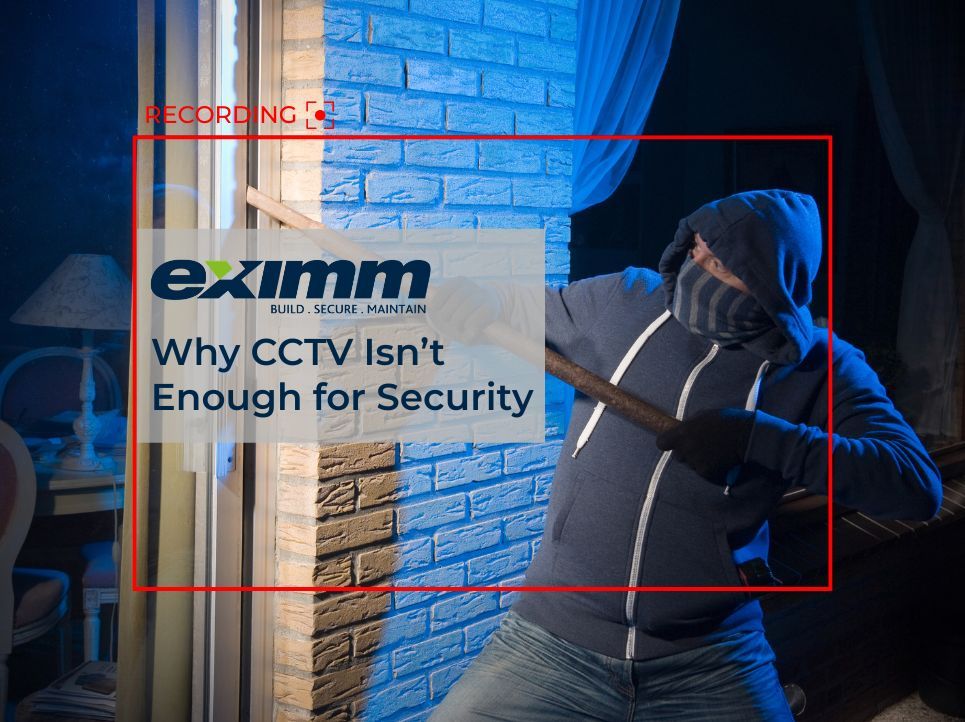
Many property owners believe that installing CCTV is enough to protect their home or business. While cameras are a strong visual deterrent and provide valuable footage, they don’t prevent incidents in real time. Without alarms and monitoring, CCTV is only recording what’s already happening. Real security comes from a system that can detect, alert, and respond, not just watch.
CCTV as a Visual Deterrent
Visible CCTV cameras make thieves think twice. By placing one at your front door, driveway, or property boundary, it tells criminals someone is watching and they’re running the risk of clear video proof. Most move on to easier targets.
High quality CCTV Footage can be of great value:
- It shows clear faces, actions, and exact times
- It assists police to identify suspects faster
- Insurance companies can process claims quickly
- Courts can accept it as strong evidence
Cameras form the foundation of reliable security and can act as an initial deterrent to prevent theft or property damage occurring.
Tip: Mount cameras 2.5 meters high at all entry points. Add "Smile, You're on Camera" signs for extra impact.
Why Standalone CCTV Falls Short
Cameras record well, but they cannot stop crimes as they happen. For example, a thief may smash a window or pick a lock and the camera captures everything. The problem is, you might not know until the next morning and by then, valuables are gone and the damage is already done.
Reviewing video helps afterward with police reports and insurance however, it does nothing to prevent loss. Thieves can work as fast as three to five minutes and without instant alerts, help generally comes too late.
Quick question: Would you know about a 2am break-in before dawn? Test your current setup today.
Alarm Systems for Instant Detection
Alarms react the moment trouble begins. Sensors on doors, windows, and open areas detect forced entry or movement. When a loud siren sounds across a property, most intruders run immediately. The noise breaks their quiet plan as it alerts neighbours and passersby. Sirens alone can stop most attempts before anything gets stolen.
Alarms provide solid protection by themselves however they work even better when connected to a complete security system with professional oversight. This proves especially true for larger properties, vacant homes, or overnight coverage.
Pro tip: Add flashing strobe lights to alarms. The light plus sound scares intruders twice as much.
Back-to-Base Monitoring Power
Back-to-base monitoring links alarms directly to a 24/7 control centre. Trained operators staff the centre around the clock in shifts. When the siren sounds, they follow strict protocol right away. They can also verify real threats against false alarms like pets or wind.
Operators act fast, they call your key contacts in your preferred order and send patrols, or notify police or emergency services dependant on the circumstances. Nothing gets missed.
The system works perfectly for vacation homes, after-hours businesses, or empty properties. Verification reduces false alarms and help arrives quickly.
Integrated Systems Win
Smart security uses all three parts together.
- CCTV deters and records.
- Alarms detect and alert instantly.
- Monitoring handles oversight and quick response.
A thief is more likely to pause and reconsider entry if CCTV cameras are visible. If they still attempt to enter, alarms sound while video records. Monitoring operators will be alerted in real time, send help, and give police any evidence obtained.
Upgrade for Real Protection
To cover all bases securely you don’t need to replace your existing cameras, you just need to strengthen your system. Adding alarms and monitoring builds on what you already have and assists by improving response times, protecting assets, and delivering true peace of mind.
Three simple steps to get started with protecting your property:
- Book a free site assessment. Experts spot risks and blind spots.
- Get a custom quote.
- Complete installation and testing.
Whether it’s a home, rental, or commercial property, the difference is simple, cameras show you what happened, but a complete system helps stop it from happening. Strengthening your setup with alarms and monitoring ensures your property is protected when it matters most.
Frequently Asked Questions
How many CCTV cameras does a typical property need?
The number depends on property size and layout. Most properties need four to eight cameras.
Where should CCTV cameras go for best coverage?
Place cameras at main doors, driveways, backyards, and storage spots. Good placement maximises visibility and cuts blind spots. Height matters too. Position at 2.5 meters to avoid tampering.
Can owners access CCTV remotely?
Yes. Most modern systems offer mobile apps or computers for remote viewing. Check live footage and recordings from anywhere with internet. This proves vital for owners away from property.
Do alarm systems work in power outages?
Most include backup batteries. They keep running during outages. Some monitored systems use cellular signals to send alerts even without power or Wi-Fi.
Are these systems good for homes and businesses?
Absolutely. Both residential and commercial properties gain from CCTV, alarms, and monitoring. Designs adjust for size, risks, and hours.
How often does maintenance happen?
Check systems regularly. Test cameras, sensors, and connections. Most providers suggest professional inspections once a year. Stay on top of updates for best performance.
Ready to upgrade? Contact Eximm today.
Schedule your free assessment. We find gaps, integrate systems smartly, and protect what matters most. Book now and secure smarter.